Public Release - 1.0

Minor Versionm

by Iroh

Introduction

Follow this guide to remove and replace the Power Button Board in your Framework Desktop.

Parts

No parts specified.

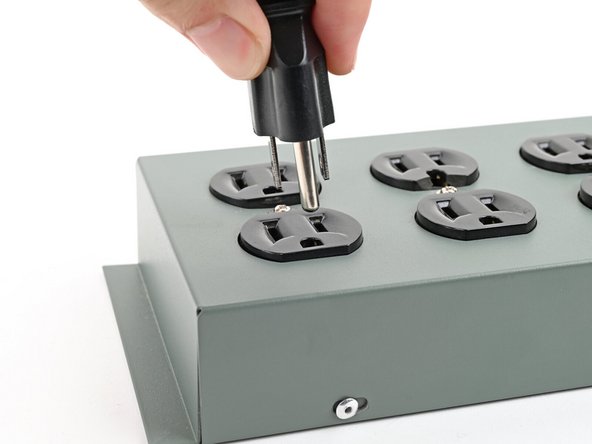
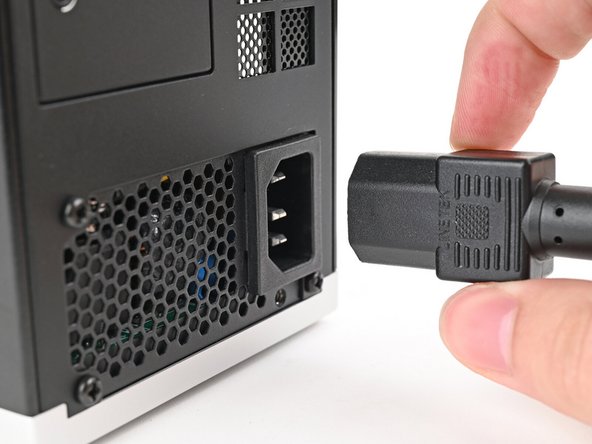
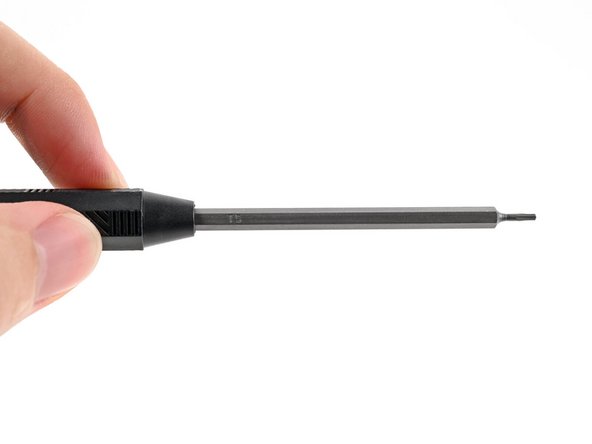
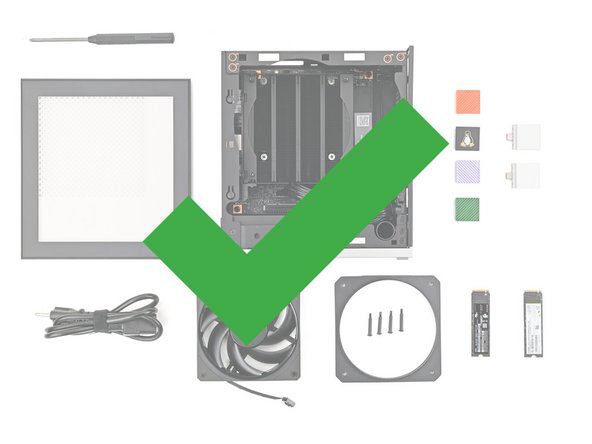
  1. Before you begin repairs, shut down your Desktop from the operating system and unplug it. Make sure your Framework Desktop Screwdriver has the T5 Torx bit (labeled as T5) facing outwards. If it's not, pull the bit out and flip it. Make sure your Framework Desktop Screwdriver has the T5 Torx bit (labeled as T5) facing outwards. If it's not, pull the bit out and flip it.
    • Before you begin repairs, shut down your Desktop from the operating system and unplug it.

    • Make sure your Framework Desktop Screwdriver has the T5 Torx bit (labeled as T5) facing outwards. If it's not, pull the bit out and flip it.

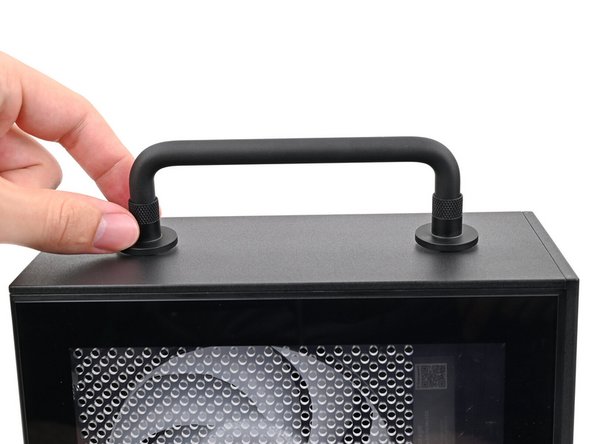
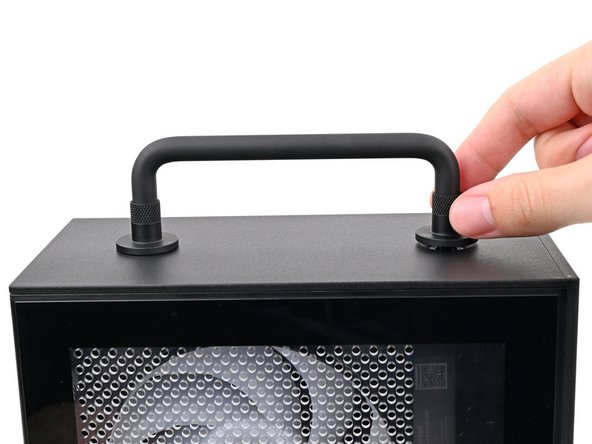
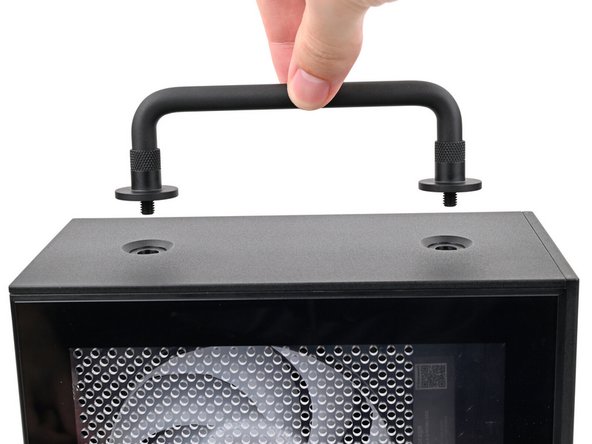
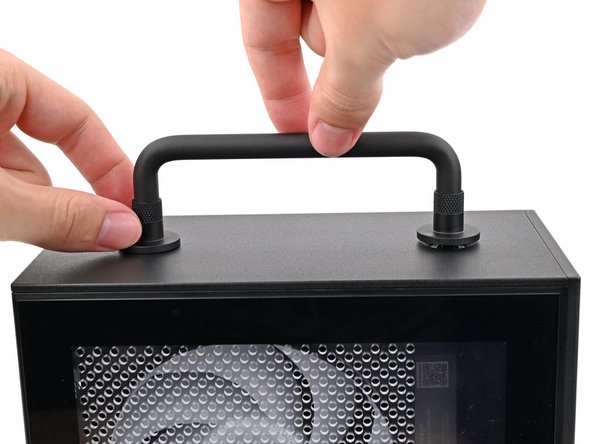
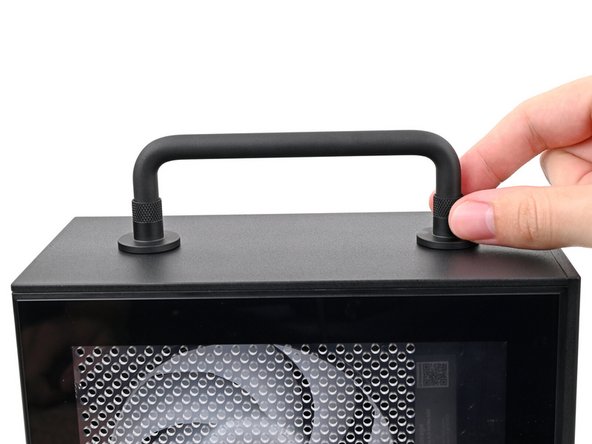
  2. If you installed the Handle on your Desktop, follow this step. Otherwise, skip it. Rotate the Handle's screw threads counterclockwise on both sides until it comes free. Remove the Handle.
    • If you installed the Handle on your Desktop, follow this step. Otherwise, skip it.

    • Rotate the Handle's screw threads counterclockwise on both sides until it comes free.

    • Remove the Handle.

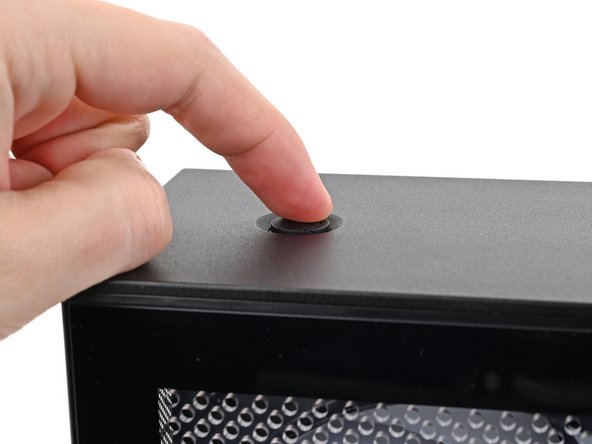
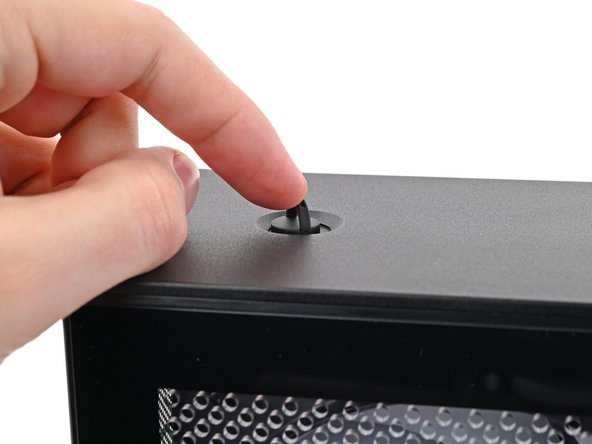
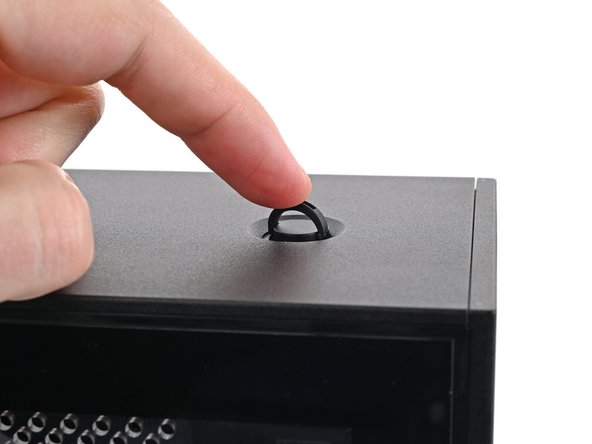
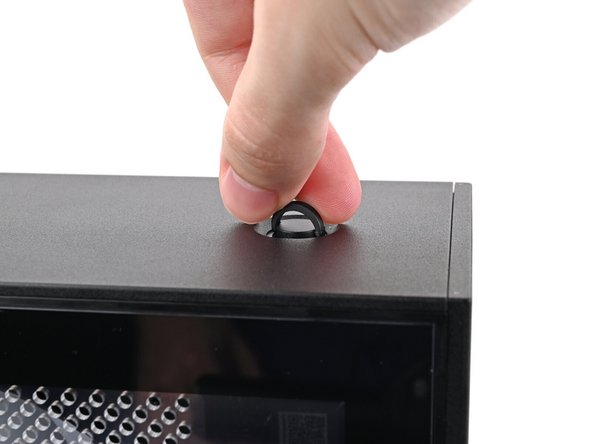
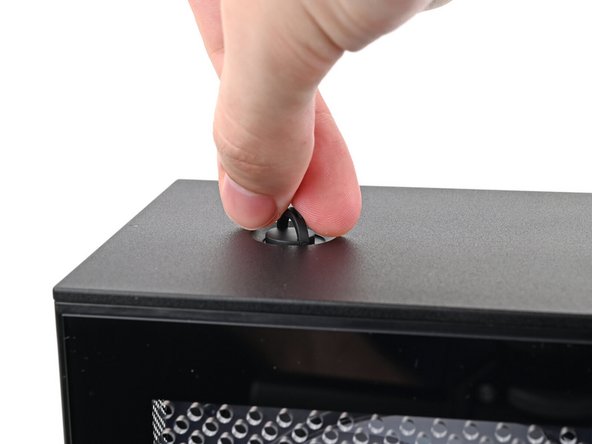
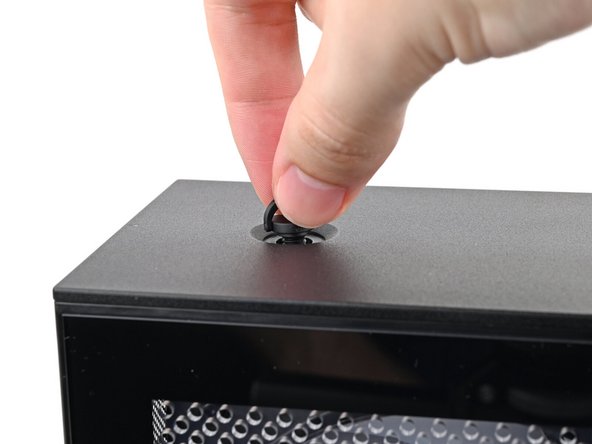
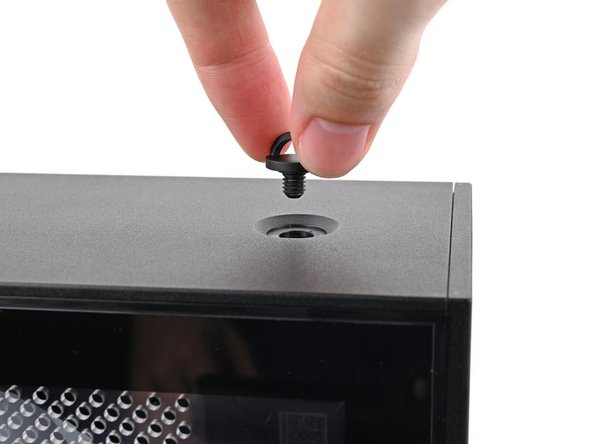
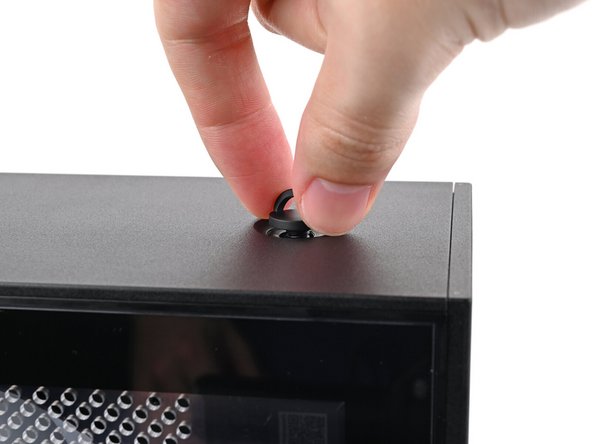
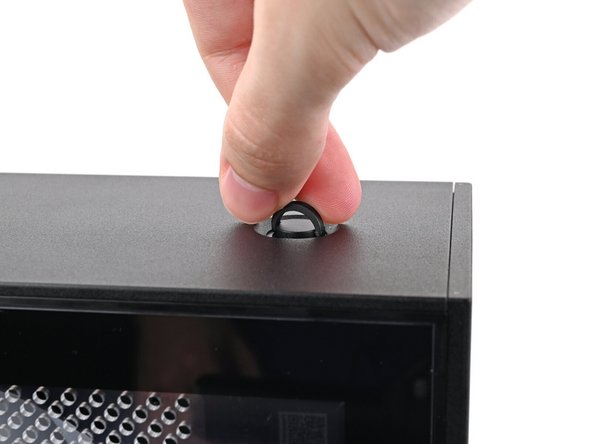
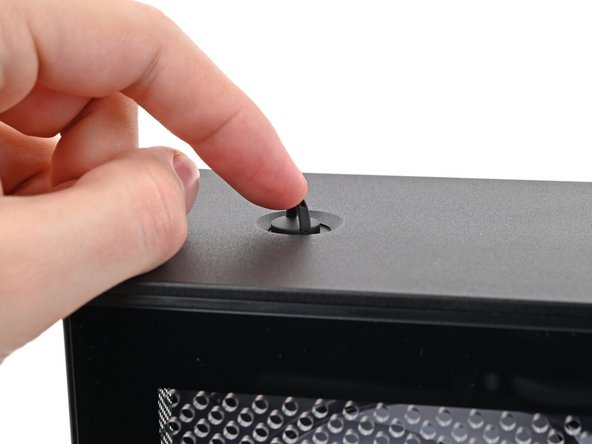
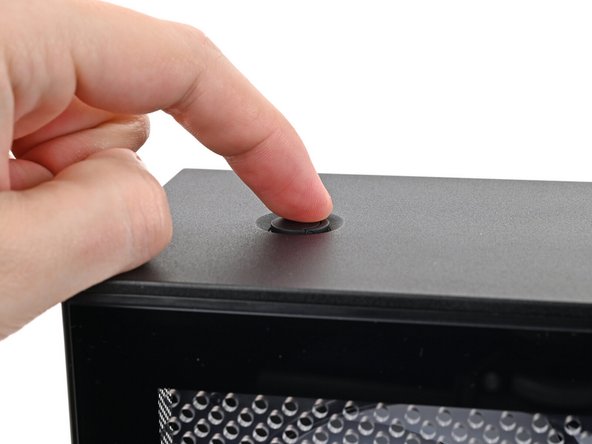
  3. Use your finger to lift up the two D-rings on the Top Panel screws. Use your finger to lift up the two D-rings on the Top Panel screws. Use your finger to lift up the two D-rings on the Top Panel screws.
    • Use your finger to lift up the two D-rings on the Top Panel screws.

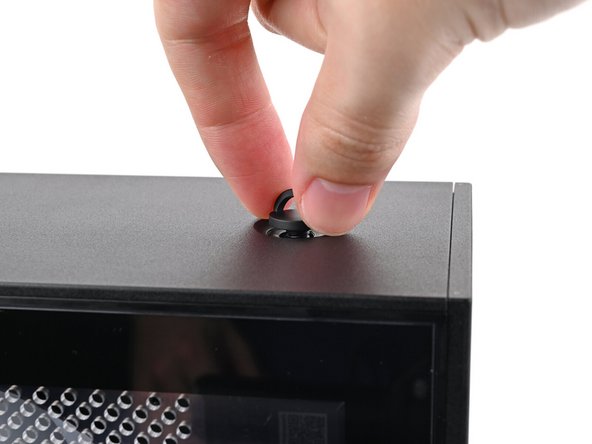
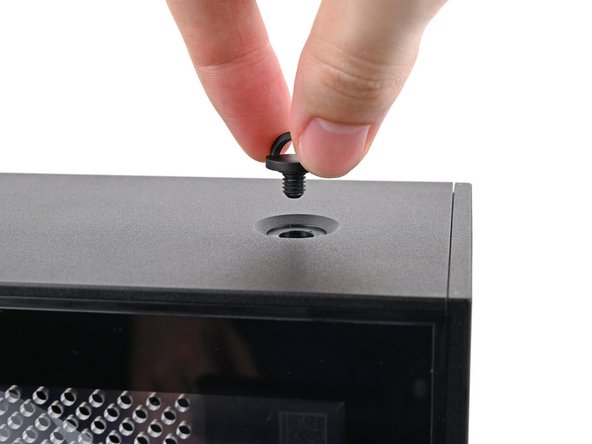
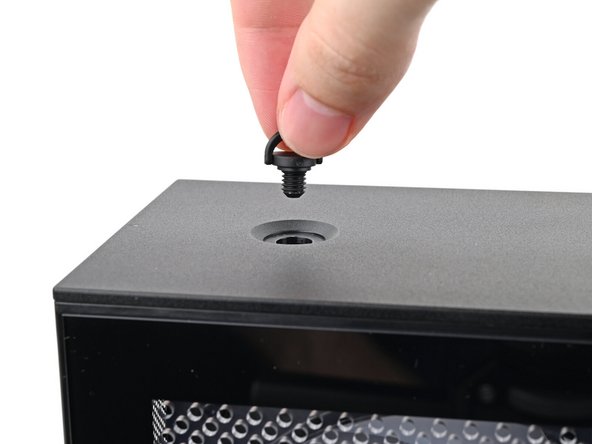
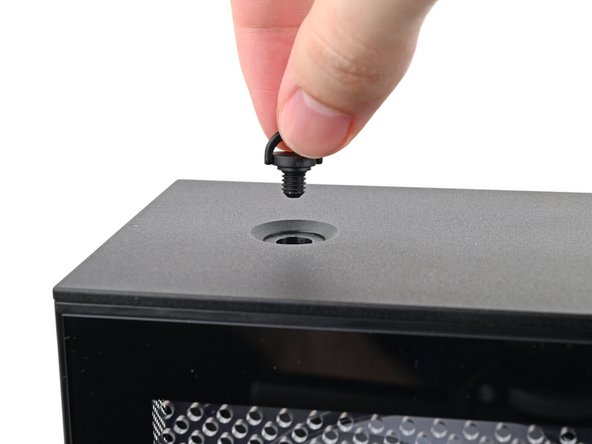
  4. Use your fingers to twist the screw counter-clockwise and loosen it. Remove the Top Panel screw. Remove the Top Panel screw.
    • Use your fingers to twist the screw counter-clockwise and loosen it.

    • Remove the Top Panel screw.

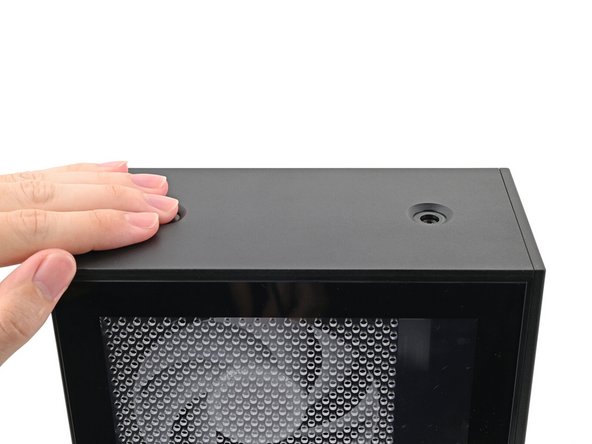
  5. Repeat the same procedure for the other Top Panel screw. Repeat the same procedure for the other Top Panel screw. Repeat the same procedure for the other Top Panel screw.
    • Repeat the same procedure for the other Top Panel screw.

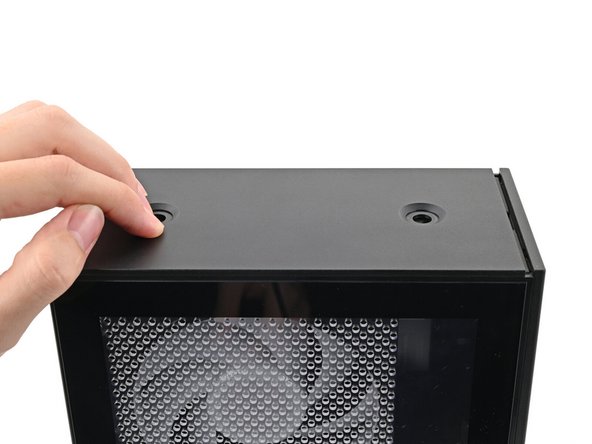
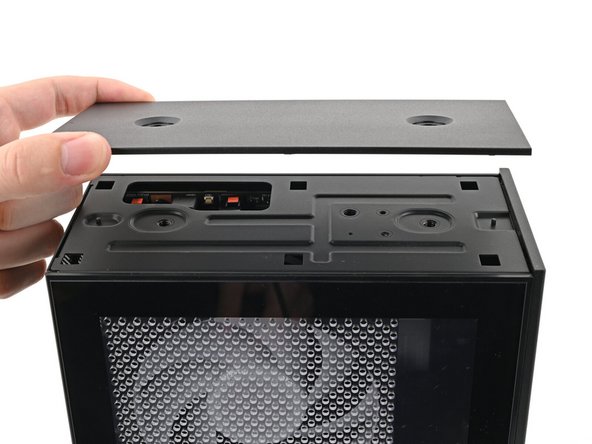
  6. Slide the Top Panel towards the rear of the computer to release the clips securing it to the chassis. If you're having a hard time gripping the Top Panel, use the screw holes to get a better handhold. Lift the Top Panel off the chassis and remove it.
    • Slide the Top Panel towards the rear of the computer to release the clips securing it to the chassis.

    • If you're having a hard time gripping the Top Panel, use the screw holes to get a better handhold.

    • Lift the Top Panel off the chassis and remove it.

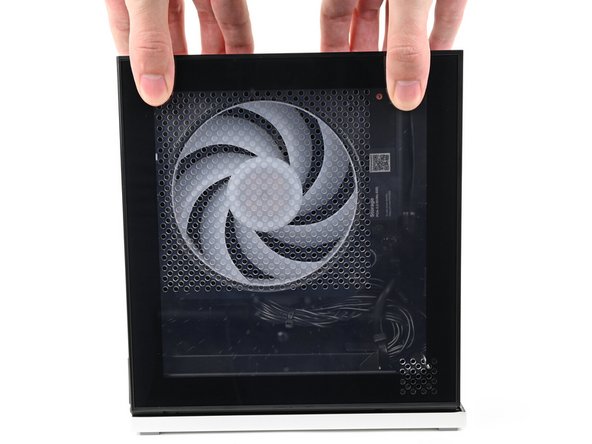
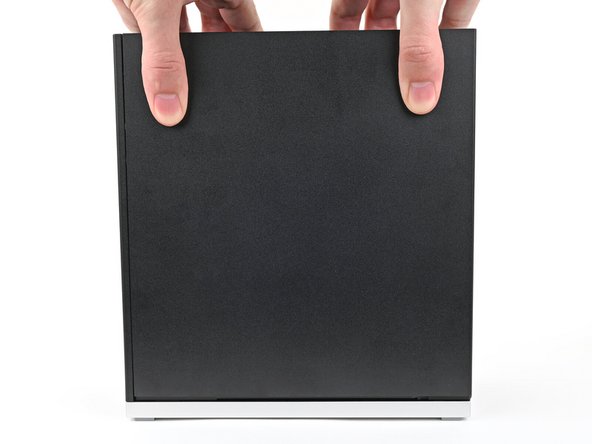
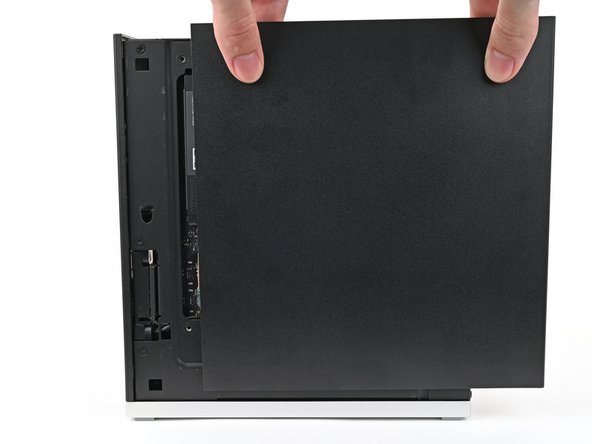
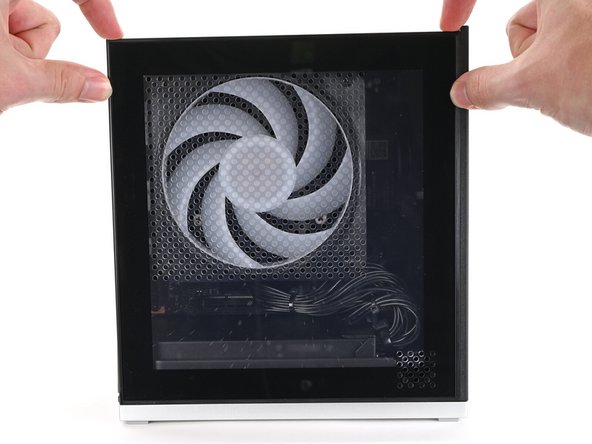
  7. Use your fingers to grip the top of the Left Panel and slide it upward to release its clips. Remove the Left Panel. Remove the Left Panel.
    • Use your fingers to grip the top of the Left Panel and slide it upward to release its clips.

    • Remove the Left Panel.

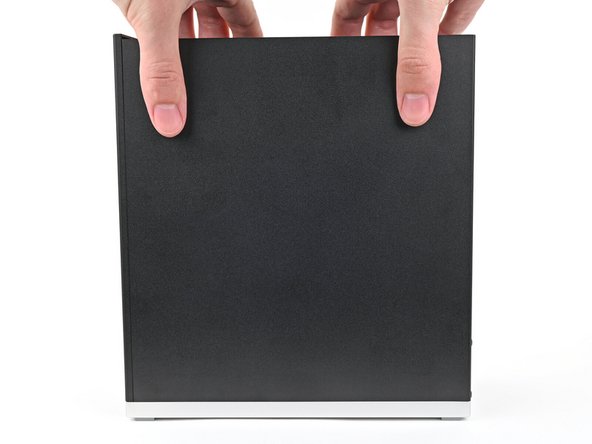
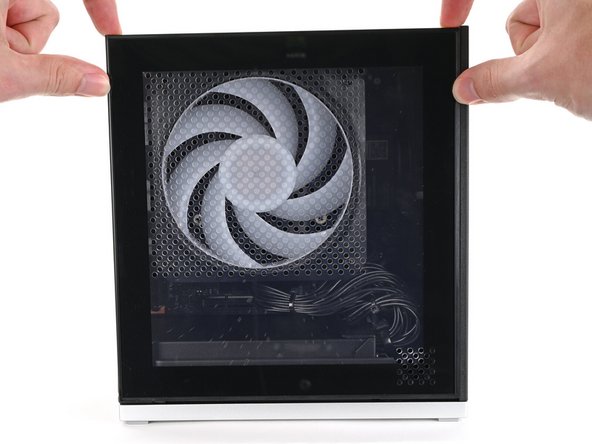
  8. Use your fingers to grip the top of the Right Panel and slide it upward to release its clips. Remove the Right Panel. Remove the Right Panel.
    • Use your fingers to grip the top of the Right Panel and slide it upward to release its clips.

    • Remove the Right Panel.

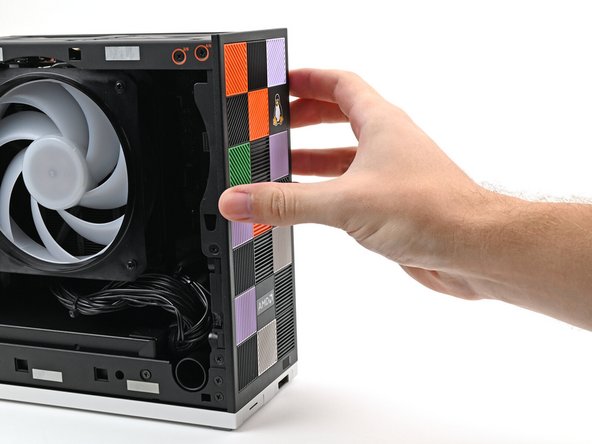
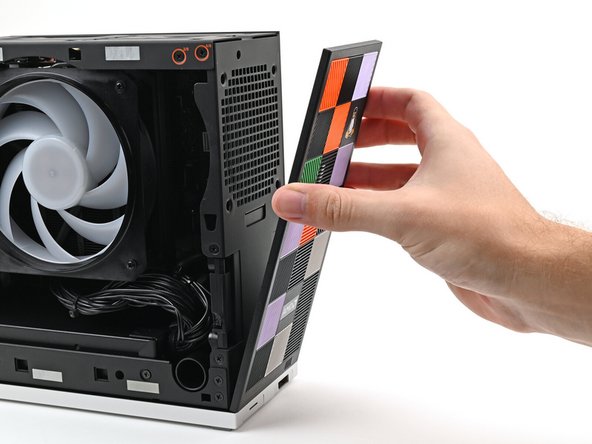
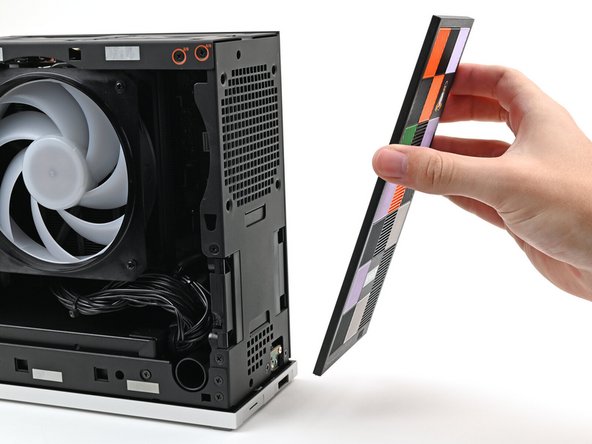
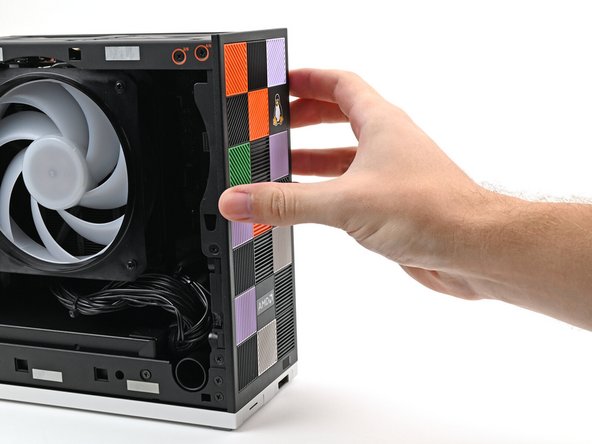
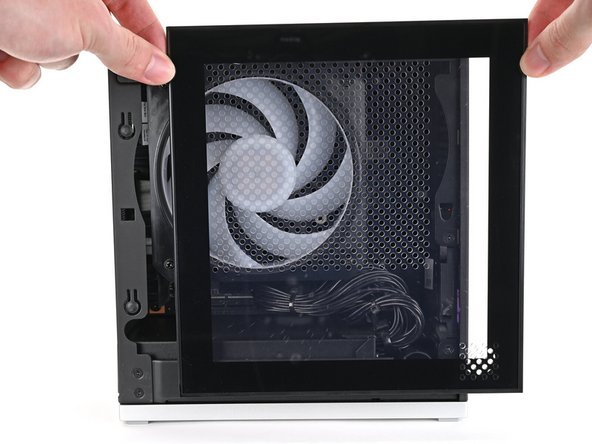
  9. Use your fingers to pull the Front Panel off the magnets securing it to the chassis. Use your fingers to pull the Front Panel off the magnets securing it to the chassis. Use your fingers to pull the Front Panel off the magnets securing it to the chassis.
    • Use your fingers to pull the Front Panel off the magnets securing it to the chassis.

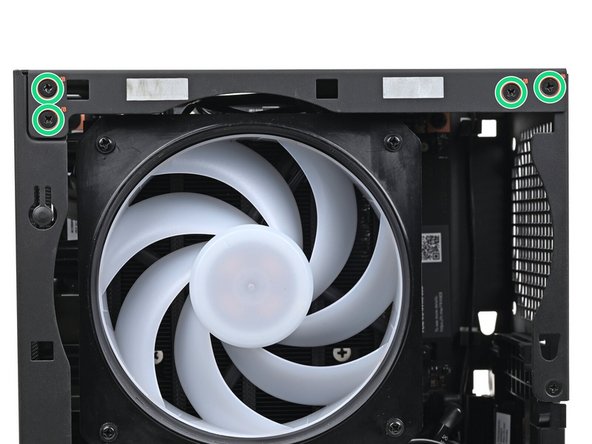
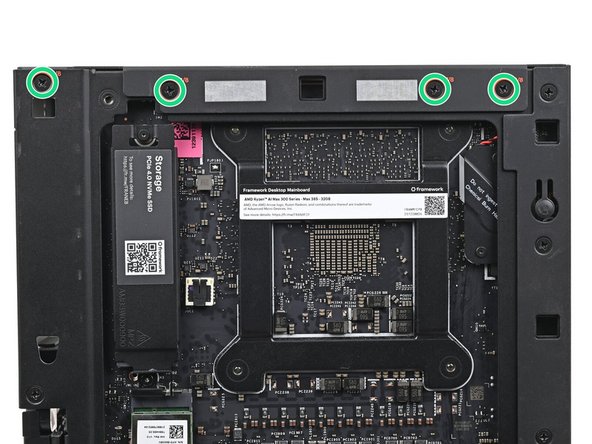
  10. While holding the Desktop steady, use your Framework Desktop Screwdriver to remove the eight 4.0 mm‑long Phillips screws securing the top plate. While holding the Desktop steady, use your Framework Desktop Screwdriver to remove the eight 4.0 mm‑long Phillips screws securing the top plate.
    • While holding the Desktop steady, use your Framework Desktop Screwdriver to remove the eight 4.0 mm‑long Phillips screws securing the top plate.

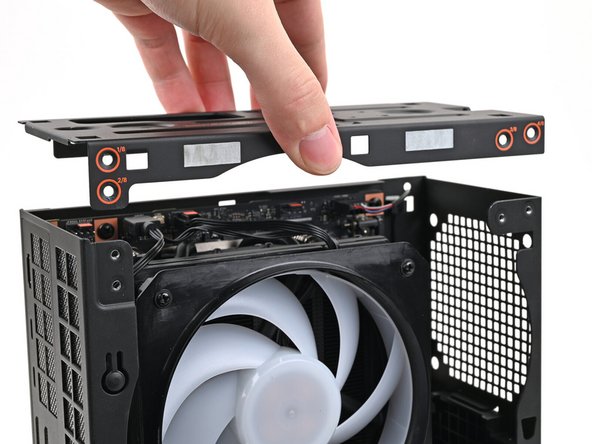
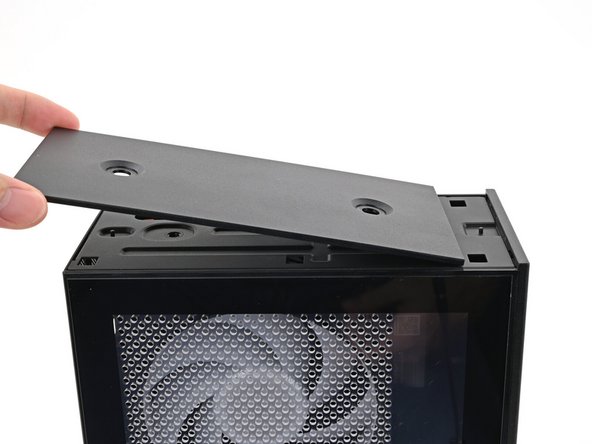
  11. Lift the top plate off the Desktop and remove it. Lift the top plate off the Desktop and remove it.
    • Lift the top plate off the Desktop and remove it.

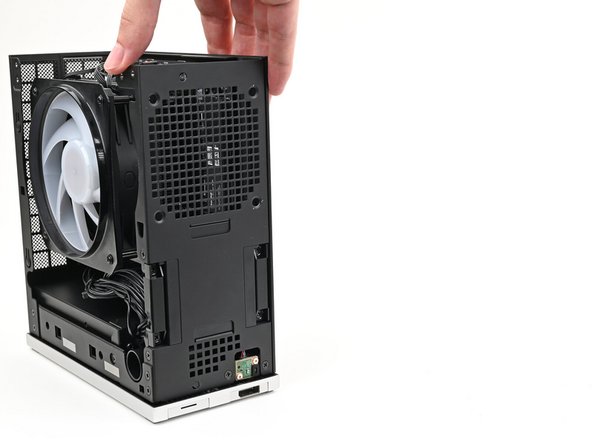
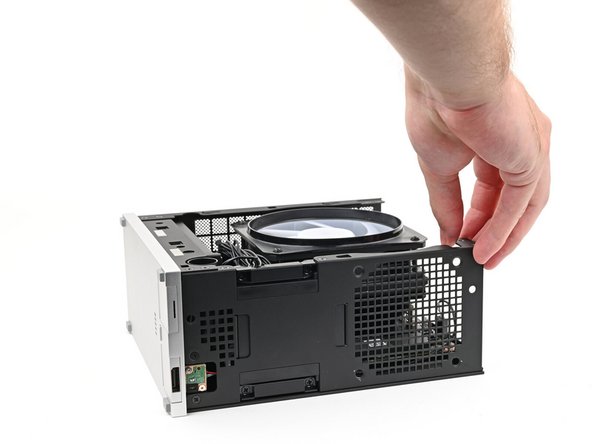
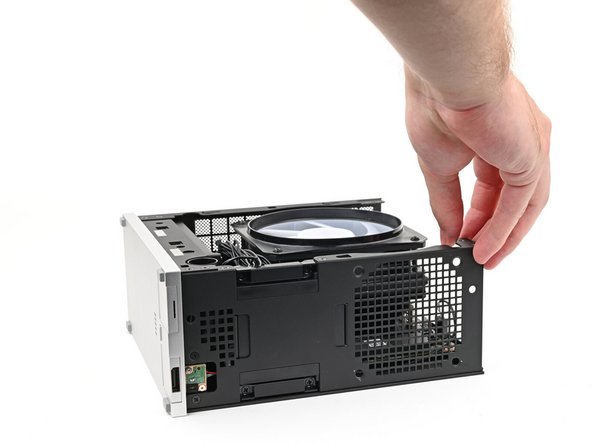
  12. Rotate the Desktop onto its right side so the Mainboard is facing upward. Rotate the Desktop onto its right side so the Mainboard is facing upward.
    • Rotate the Desktop onto its right side so the Mainboard is facing upward.

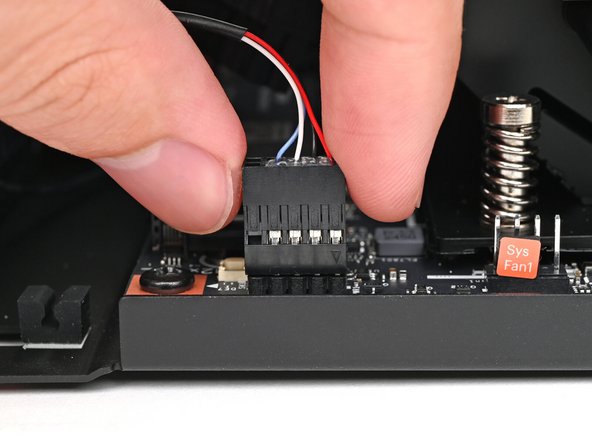
  13. Use your fingers to lift the power button cable connector off its nine‑pronged socket on the Mainboard. Use your fingers to lift the power button cable connector off its nine‑pronged socket on the Mainboard.
    • Use your fingers to lift the power button cable connector off its nine‑pronged socket on the Mainboard.

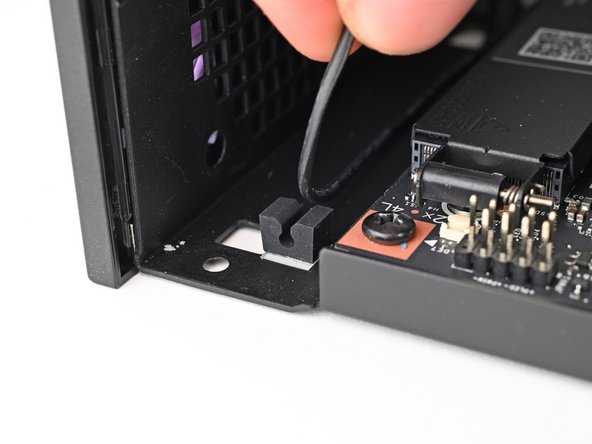
  14. Pull the power button cable out of its rubber clips in the chassis. Pull the power button cable out of its rubber clips in the chassis.
    • Pull the power button cable out of its rubber clips in the chassis.

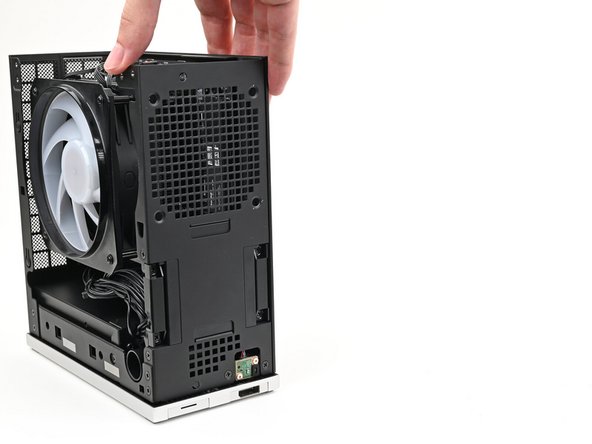
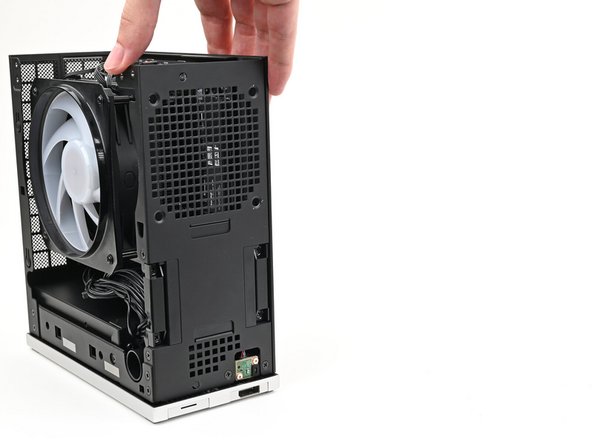
  15. Rotate the Desktop so it sits upright. Rotate the Desktop so it sits upright.
    • Rotate the Desktop so it sits upright.

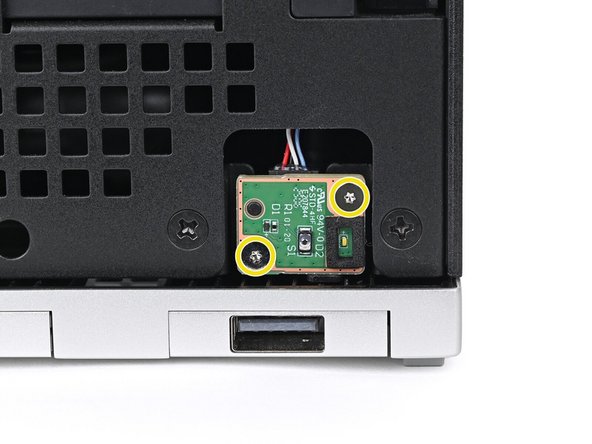
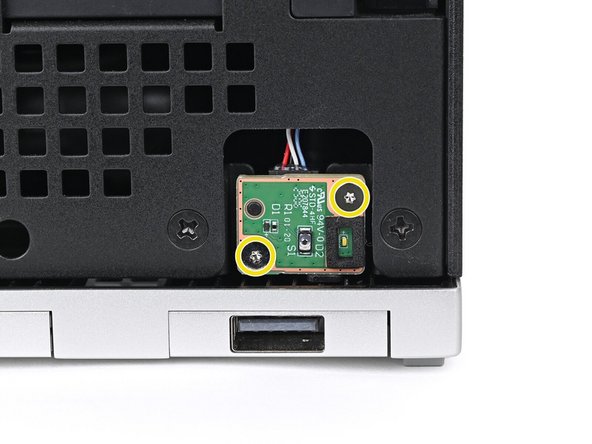
  16. Use your Framework Desktop Screwdriver to remove the two 4.5 mm‑long screws securing the Power Button Board. Use your Framework Desktop Screwdriver to remove the two 4.5 mm‑long screws securing the Power Button Board.
    • Use your Framework Desktop Screwdriver to remove the two 4.5 mm‑long screws securing the Power Button Board.

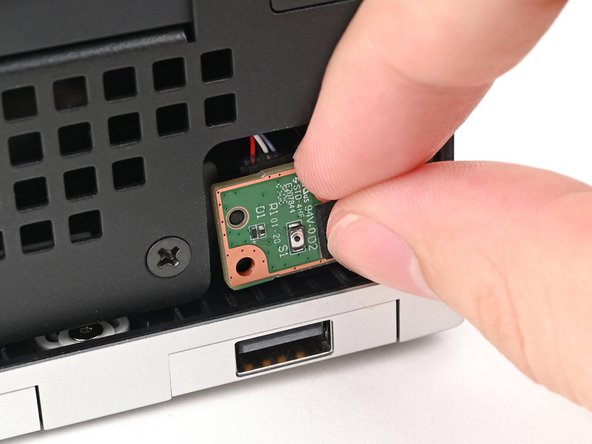
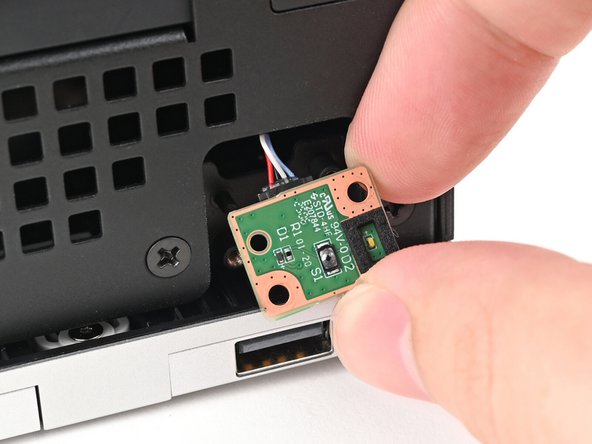
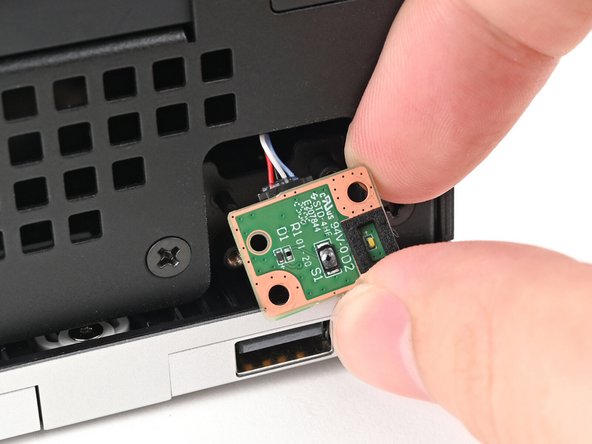
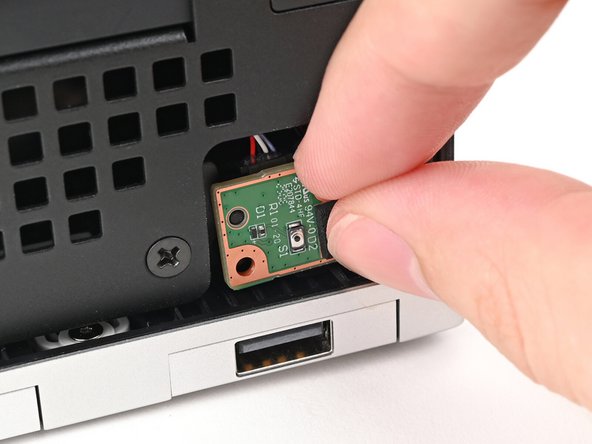
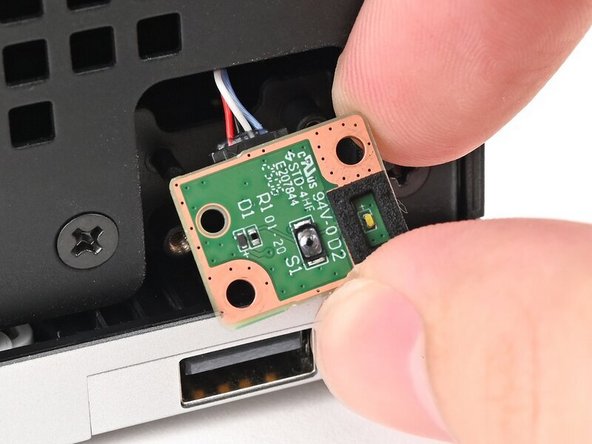
  17. Use your finger to pull the Power Button Board off its alignment peg. Use your finger to pull the Power Button Board off its alignment peg.
    • Use your finger to pull the Power Button Board off its alignment peg.

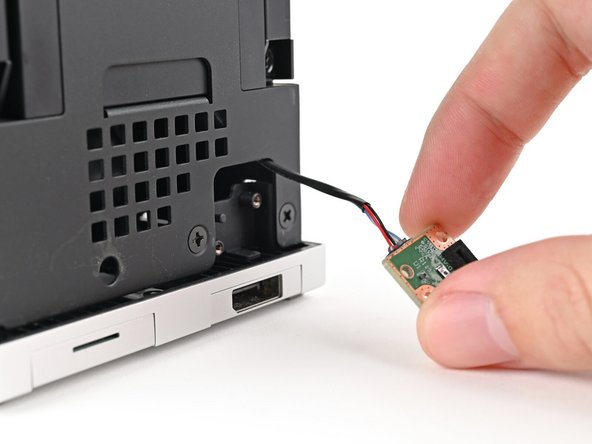
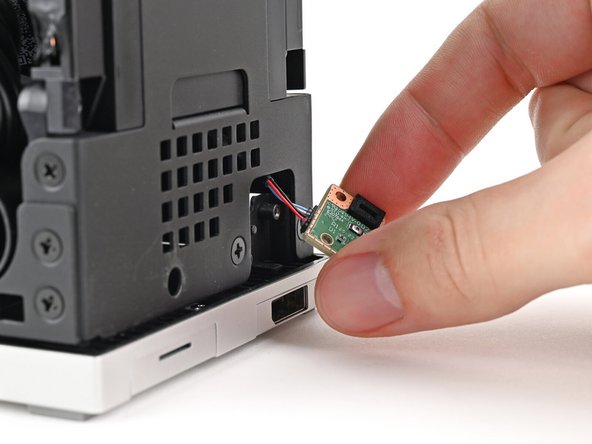
  18. Pull the Power Button Board away from the Desktop, threading its cable through the chassis. Pull the Power Button Board away from the Desktop, threading its cable through the chassis. Pull the Power Button Board away from the Desktop, threading its cable through the chassis.
    • Pull the Power Button Board away from the Desktop, threading its cable through the chassis.

  19. Congratulations on completing disassembly! The remaining steps will show how to reassemble your Framework Desktop.
    • Congratulations on completing disassembly! The remaining steps will show how to reassemble your Framework Desktop.

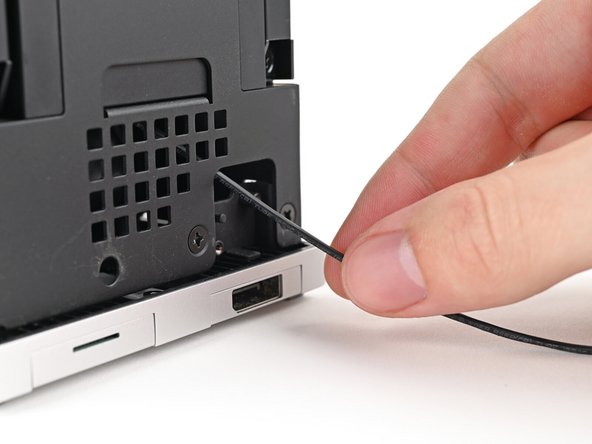
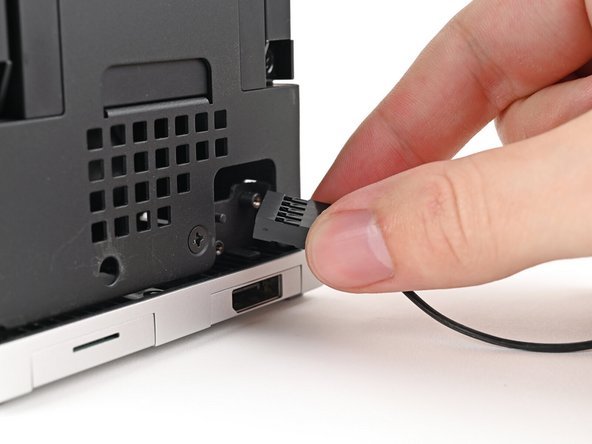
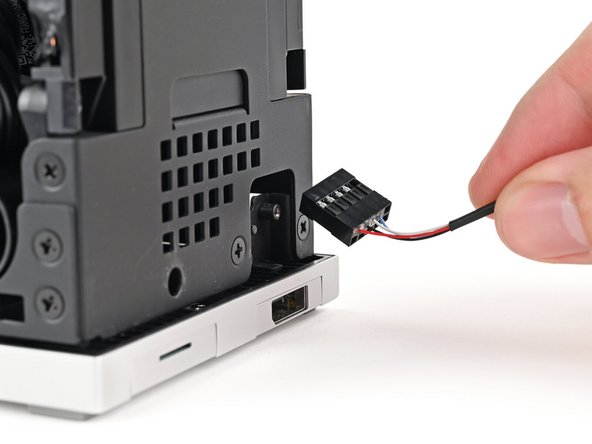
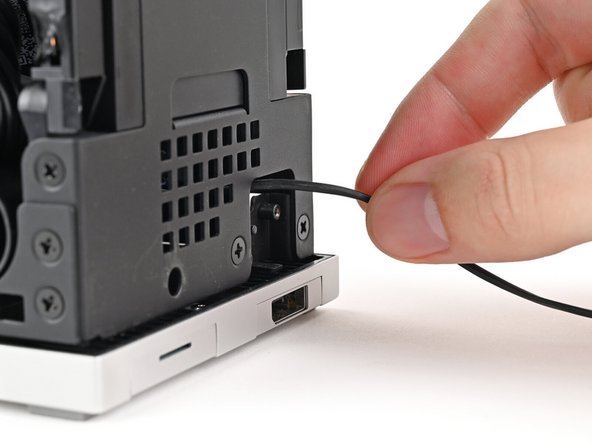
  20. Insert the Power Button Board cable into the slot in the Desktop. Grip the cable from the top of the Desktop and thread it through the chassis. Grip the cable from the top of the Desktop and thread it through the chassis.
    • Insert the Power Button Board cable into the slot in the Desktop.

    • Grip the cable from the top of the Desktop and thread it through the chassis.

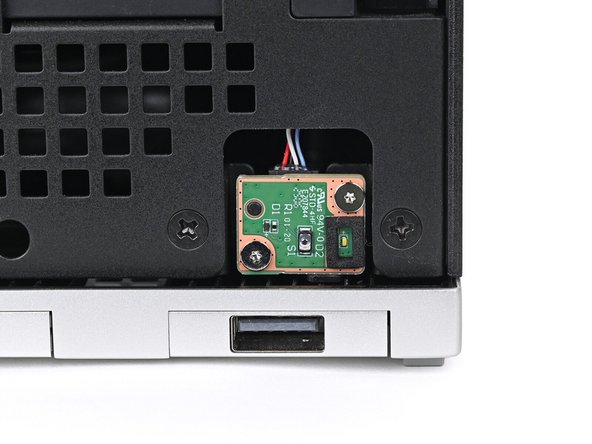
  21. Place the board into its slot in the Desktop so the alignment peg is threaded through its hole in the board. Place the board into its slot in the Desktop so the alignment peg is threaded through its hole in the board.
    • Place the board into its slot in the Desktop so the alignment peg is threaded through its hole in the board.

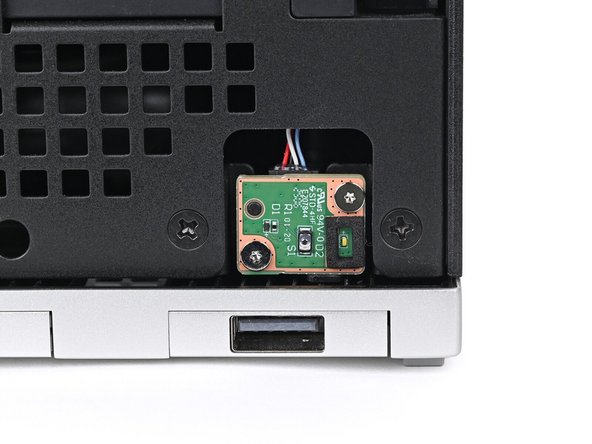
  22. Use your Framework Desktop Screwdriver to install the two 4.5 mm‑long screws securing the Power Button Board. Use your Framework Desktop Screwdriver to install the two 4.5 mm‑long screws securing the Power Button Board.
    • Use your Framework Desktop Screwdriver to install the two 4.5 mm‑long screws securing the Power Button Board.

  23. Rotate the Desktop onto its right side so the Mainboard is facing upward. Rotate the Desktop onto its right side so the Mainboard is facing upward.
    • Rotate the Desktop onto its right side so the Mainboard is facing upward.

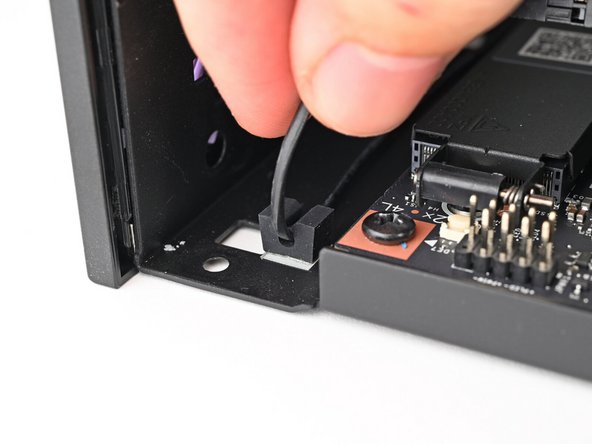
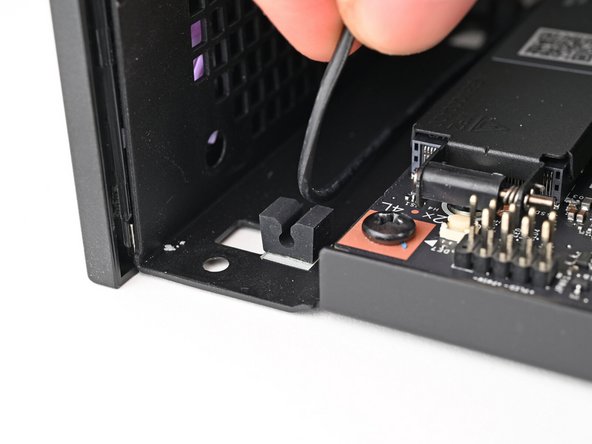
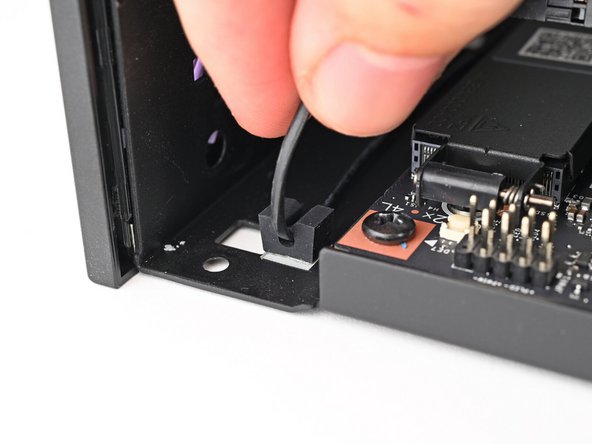
  24. Press the power button cable into its rubber clips in the chassis. Press the power button cable into its rubber clips in the chassis.
    • Press the power button cable into its rubber clips in the chassis.

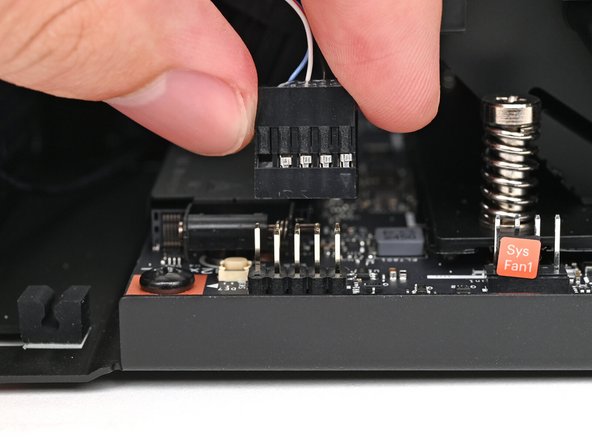
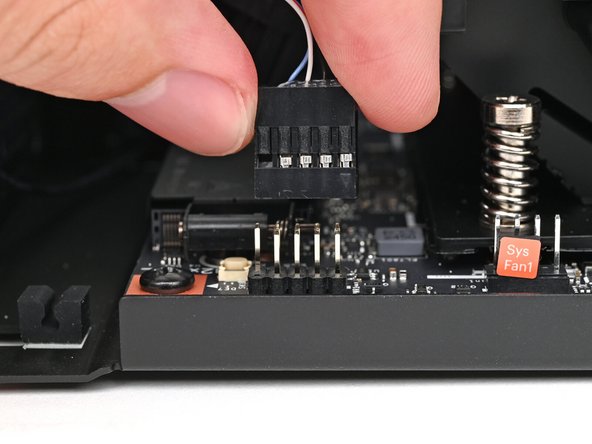
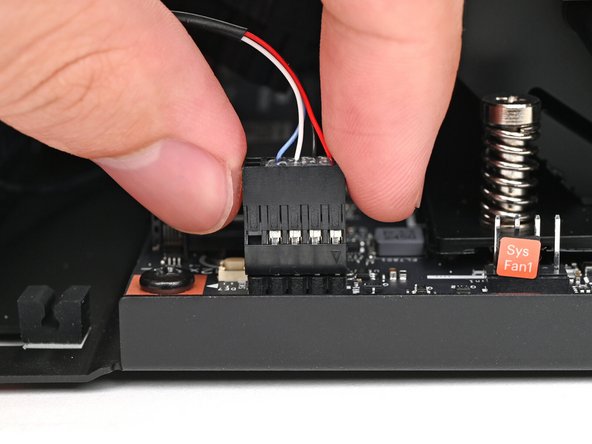
  25. Slide the power button cable over the nine-pronged connector on the Mainboard. Slide the power button cable over the nine-pronged connector on the Mainboard.
    • Slide the power button cable over the nine-pronged connector on the Mainboard.

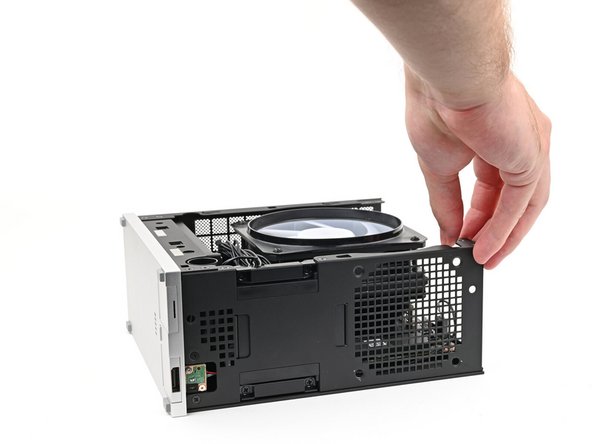
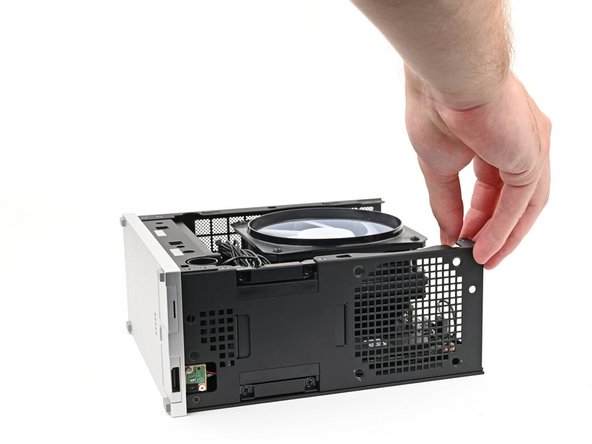
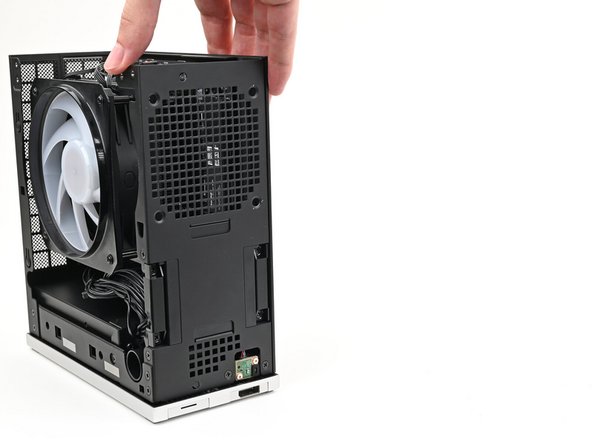
  26. Rotate the Desktop so it sits upright. Rotate the Desktop so it sits upright.
    • Rotate the Desktop so it sits upright.

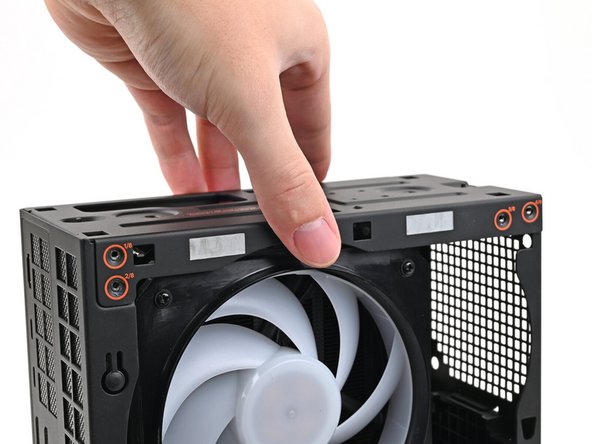
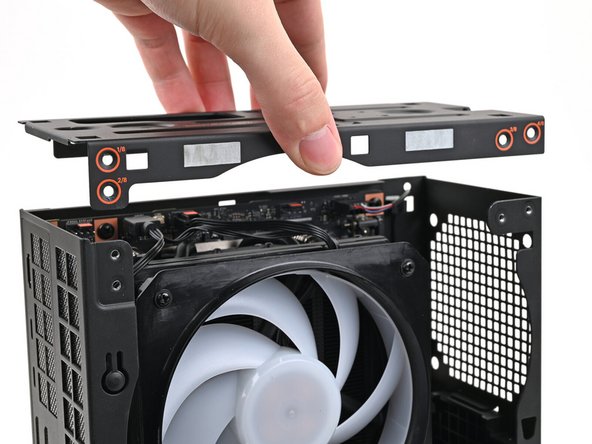
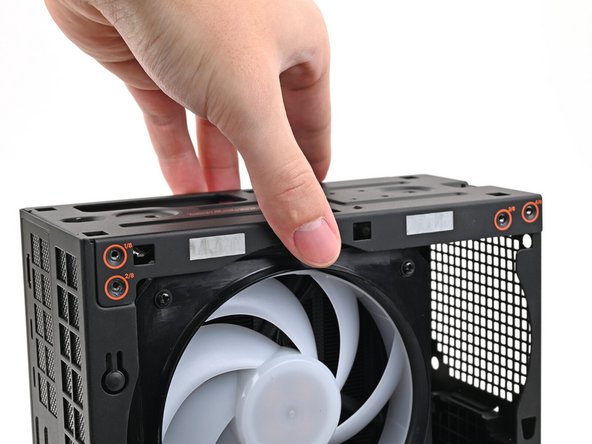
  27. Place the top plate on top of the Desktop, making sure it slots into the chassis so the orange circles are visible. Place the top plate on top of the Desktop, making sure it slots into the chassis so the orange circles are visible.
    • Place the top plate on top of the Desktop, making sure it slots into the chassis so the orange circles are visible.

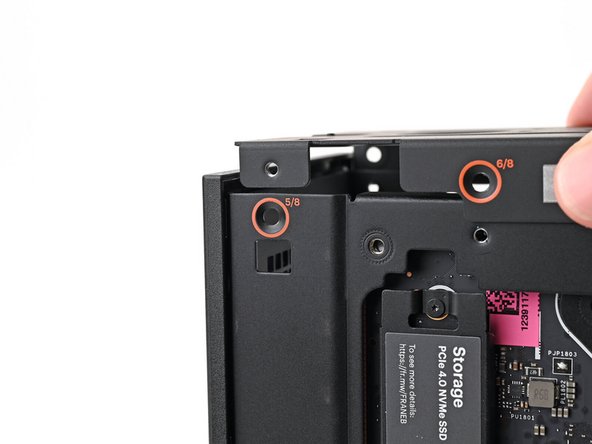
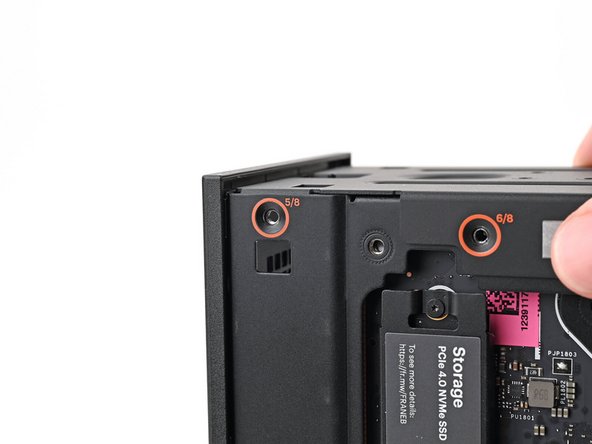
  28. Make sure the matching screw hole on the top plate labeled "5/8" is slotted on the inside of the Chassis so that the orange circle is visible. Make sure the matching screw hole on the top plate labeled "5/8" is slotted on the inside of the Chassis so that the orange circle is visible.
    • Make sure the matching screw hole on the top plate labeled "5/8" is slotted on the inside of the Chassis so that the orange circle is visible.

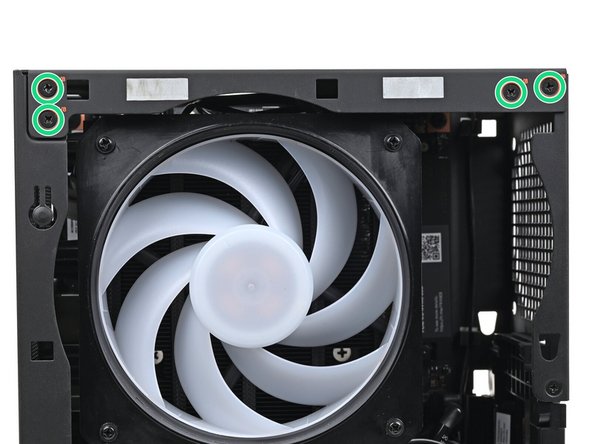
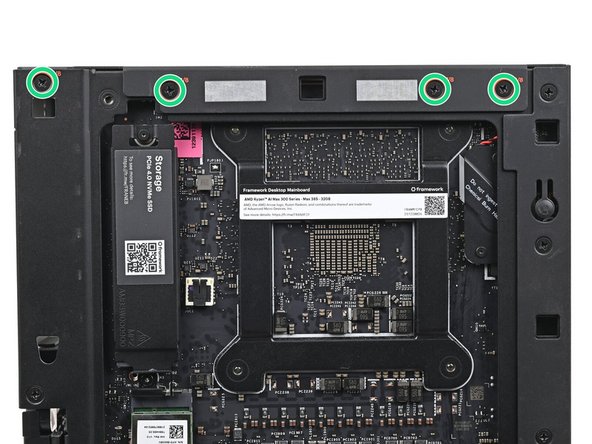
  29. While holding the Desktop steady, use your Framework Desktop Screwdriver to install the eight 4.0 mm‑long Phillips screws securing the top plate. While holding the Desktop steady, use your Framework Desktop Screwdriver to install the eight 4.0 mm‑long Phillips screws securing the top plate.
    • While holding the Desktop steady, use your Framework Desktop Screwdriver to install the eight 4.0 mm‑long Phillips screws securing the top plate.

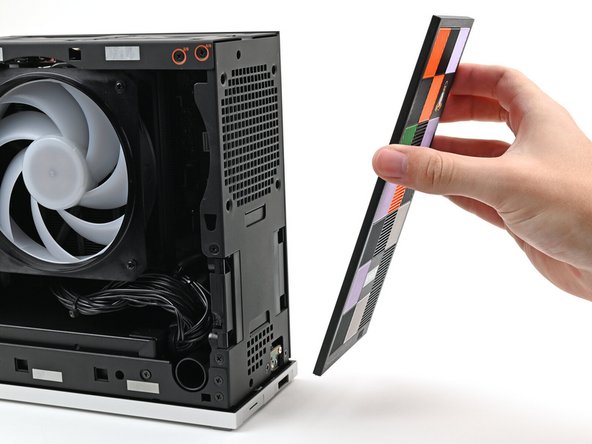
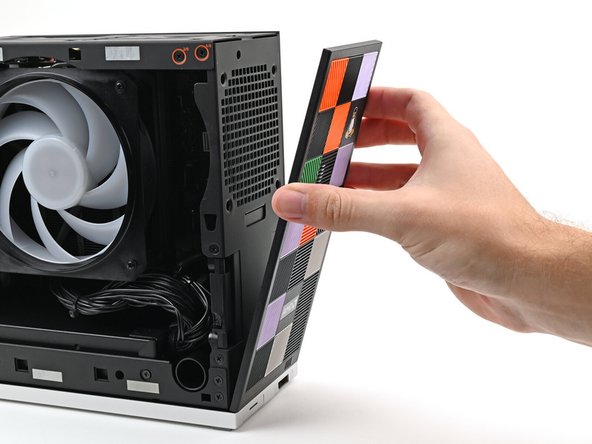
  30. Lay the bottom of the Front Panel on the small, protruding lip in the silver base to align its tabs. Press the Front Panel flat to the chassis and let it align to the magnets. Press the Front Panel flat to the chassis and let it align to the magnets.
    • Lay the bottom of the Front Panel on the small, protruding lip in the silver base to align its tabs.

    • Press the Front Panel flat to the chassis and let it align to the magnets.

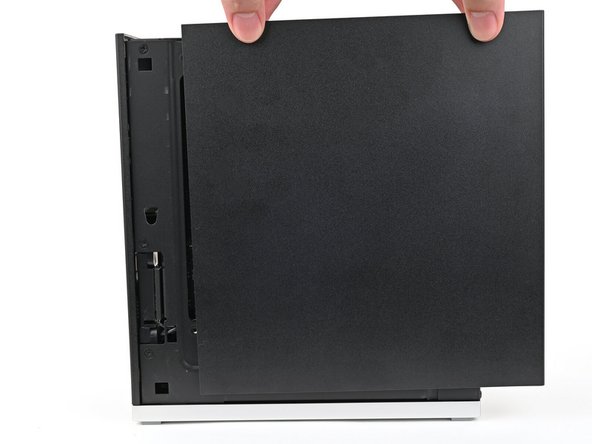
  31. Slide the Right Panel onto the right edge of the chassis, from top to bottom, and press it flat to ensure its clips are slotted into place. There should be a small gap between the bottom of the Right Panel and the silver base. Push the Right Panel towards the base of the computer to engage the clips.
    • Slide the Right Panel onto the right edge of the chassis, from top to bottom, and press it flat to ensure its clips are slotted into place.

    • There should be a small gap between the bottom of the Right Panel and the silver base.

    • Push the Right Panel towards the base of the computer to engage the clips.

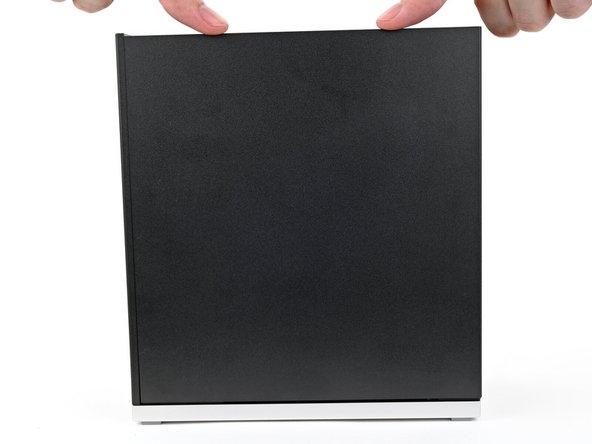
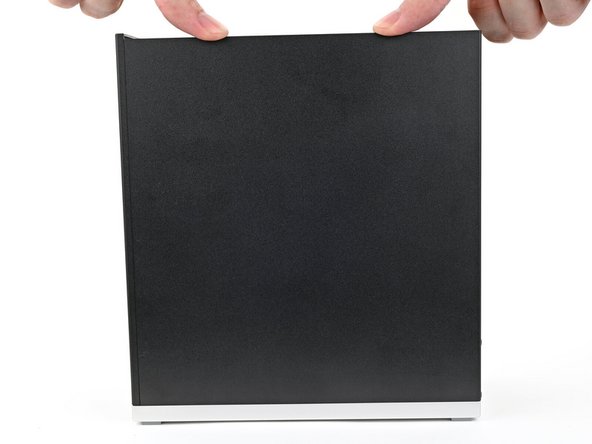
  32. Slide the Left Panel onto the left edge of the chassis and press it flat to ensure its clips are slotted into place. There should be a small gap between the bottom of the Left Panel and the silver base. Push the Left Panel towards the base of the computer to close the gap and engage the clips.
    • Slide the Left Panel onto the left edge of the chassis and press it flat to ensure its clips are slotted into place.

    • There should be a small gap between the bottom of the Left Panel and the silver base.

    • Push the Left Panel towards the base of the computer to close the gap and engage the clips.

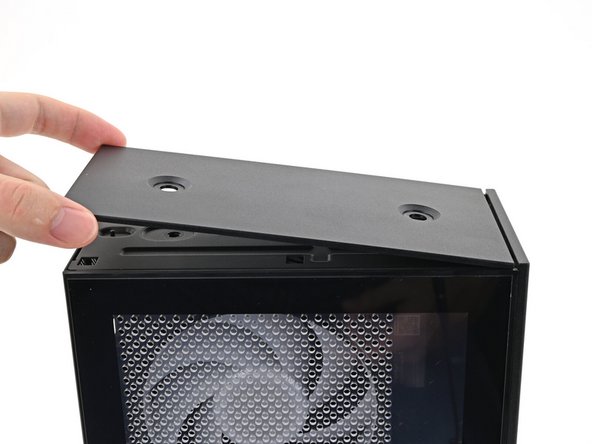
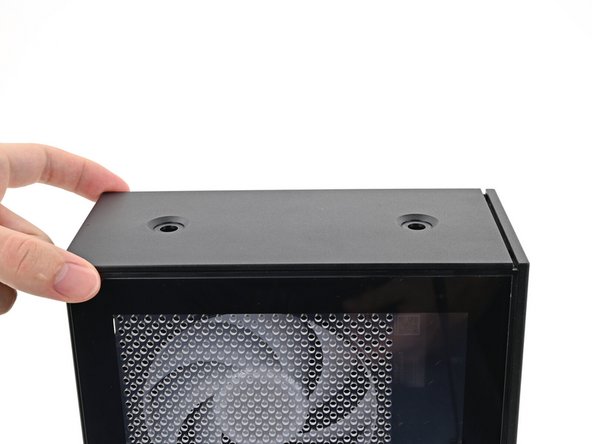
  33. Orient the Top Panel so its arrow is pointing towards the rear of the computer. While holding the Top Panel at a slight downward angle, slide it across the top of the chassis (from rear to front) until you feel its clips catch. There should be a small gap between the Top Panel and the front of the Desktop.
    • Orient the Top Panel so its arrow is pointing towards the rear of the computer.

    • While holding the Top Panel at a slight downward angle, slide it across the top of the chassis (from rear to front) until you feel its clips catch.

    • There should be a small gap between the Top Panel and the front of the Desktop.

    • Lay the Top Panel flat on the chassis to align the remaining clips.

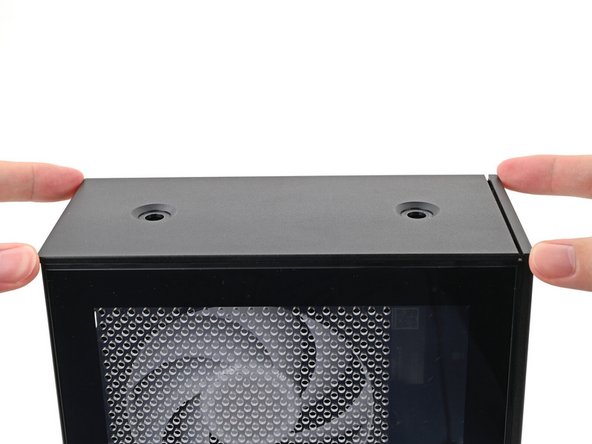
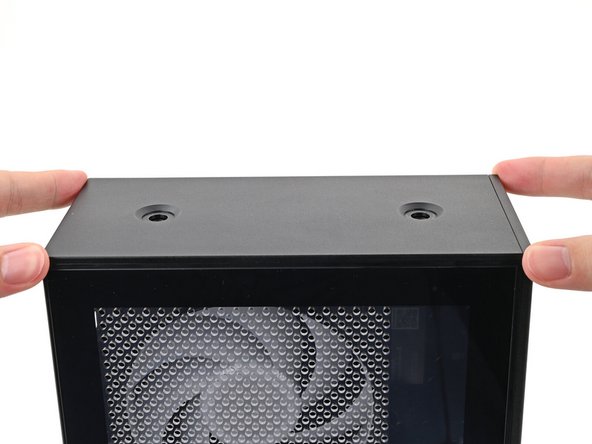
  34. While securing the computer with one hand, use the other hand to slide the Top Panel towards the front of the computer to close the gap and engage the clips. While securing the computer with one hand, use the other hand to slide the Top Panel towards the front of the computer to close the gap and engage the clips.
    • While securing the computer with one hand, use the other hand to slide the Top Panel towards the front of the computer to close the gap and engage the clips.

  35. If you're installing the Handle on your Desktop, follow this step. Otherwise, skip it. Place the Handle over the Top Panel screw holes.
    • If you're installing the Handle on your Desktop, follow this step. Otherwise, skip it.

    • Place the Handle over the Top Panel screw holes.

    • While holding the Handle in place, twist the screw threads on both sides clockwise until they're snug on the Top Panel.

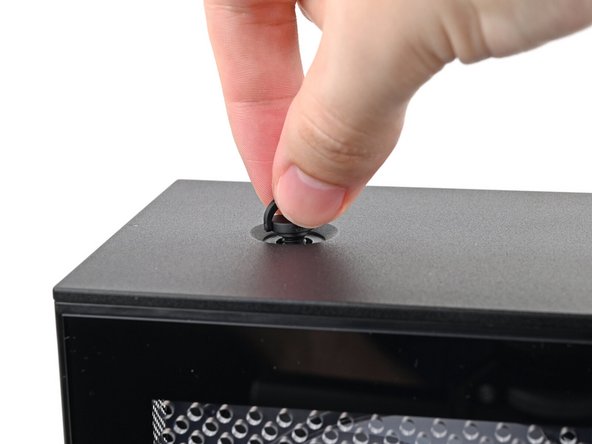
  36. Insert the top panel screw into its hole and twist clockwise until it feels snug. Insert the top panel screw into its hole and twist clockwise until it feels snug. Insert the top panel screw into its hole and twist clockwise until it feels snug.
    • Insert the top panel screw into its hole and twist clockwise until it feels snug.

  37. Repeat the same procedure for the other top panel screw. Repeat the same procedure for the other top panel screw. Repeat the same procedure for the other top panel screw.
    • Repeat the same procedure for the other top panel screw.

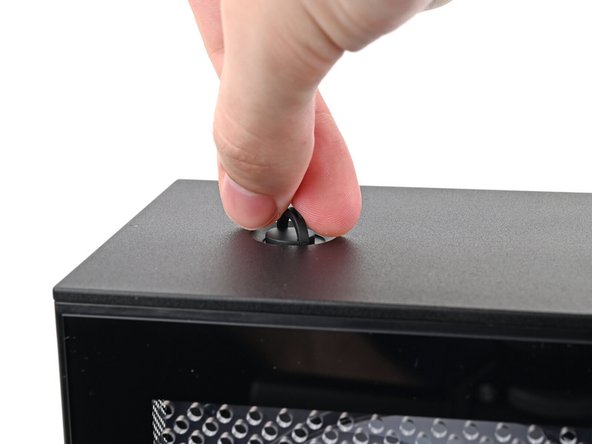
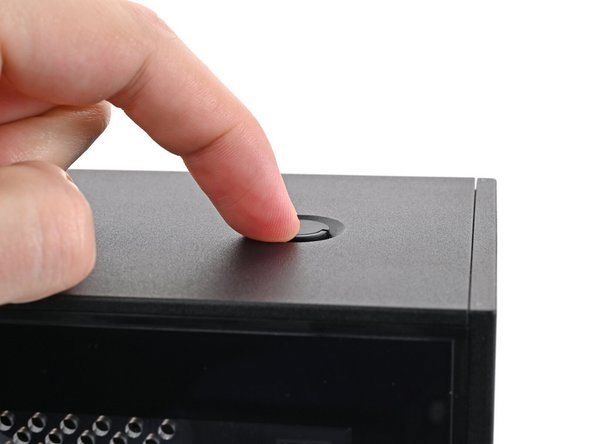
  38. Use your finger to close the two D-rings on the top panel screws. Use your finger to close the two D-rings on the top panel screws. Use your finger to close the two D-rings on the top panel screws.
    • Use your finger to close the two D-rings on the top panel screws.

Conclusion

You finished fixing your Framework Desktop!

Take your e-waste to an R2 or e-Stewards certified recycler.

If you need help, contact Framework support.

Iroh

Member since: 6/7/24

80 Guides authored

Team

Framework Member of Framework

10 Members

186 Guides authored

0 Comments

Add Comment


View Statistics:

Past 24 Hours: 12

Past 7 Days: 19

Past 30 Days: 26

All Time: 28